
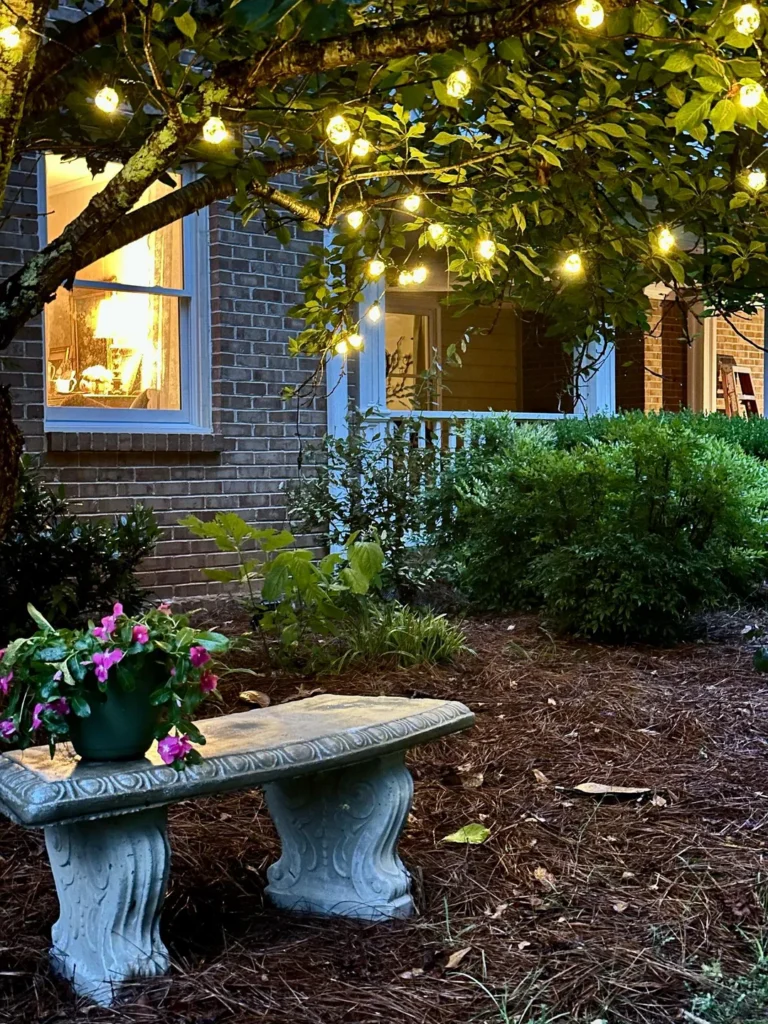
No, in most neighborhoods you should not leave a bright, static porch light burning all night long. While lighting your front entry from dusk until bedtime prevents trips on the steps and makes your house look lived-in, keeping a harsh bulb switched on at 3:00 AM wastes electricity, attracts insects to your doorframe, and does surprisingly little to stop break-ins. Security specialists and lighting designers instead recommend keeping gentle, timer-controlled lighting on during active evening hours, then letting motion-activated fixtures handle the middle of the night.
Key Takeaways
- Unshielded, bright porch bulbs create harsh glare and deep shadows that can actually help trespassers hide out of view.
- Motion-activated security lights deter late-night intruders far better than a static bulb that stays on predictably every night.
- Running an older 60-watt incandescent bulb for 10 to 12 hours nightly uses over 200 kWh per year, whereas low-voltage LEDs and battery-powered lights draw minimal power.
- Using automatic 6-hour on, 18-hour off timers gives you warm evening curb appeal and safe footing until midnight without all-night light pollution.
- Warm, shielded accent lighting around steps and railings guides guests safely without blinding security cameras or disturbing sleeping neighbors.
The Security Myth: Does an All-Night Porch Light Deter Intruders?
For decades, homeowners grew up hearing a simple rule: flip the front porch switch before bed to keep burglars away. That habit feels comforting, especially if your street lacks overhead streetlights. Yet when physical security professionals and lighting designers evaluate residential properties after dark, an unshielded bulb burning from sunset to sunrise is one of the first things they advise changing.
The Problem with Glare and Deep Contrast Shadows
Human eyes do not handle sharp jumps between extreme brightness and darkness well. When a bare, high-intensity bulb hangs beside your front door, anyone looking toward your house from the street or through a front window experiences direct glare. Your pupils constrict to adjust to the bright point of light, which severely reduces your ability to see into the unlit areas just a few feet away.
Dark-sky advocates and security specialists note that unshielded, high-intensity porch lights often create deep contrast shadows that actually make it easier for intruders to conceal movement. A bush, porch column, or side walkway sitting right outside that harsh cone of light becomes pitch black to an observer across the street. Worse, if someone does approach your front door at 2:00 AM and nobody in the neighborhood is awake to see them, that steady overhead light simply gives them clear visibility to inspect locks, peek into packages, or check window latches without needing a flashlight.
Predictability vs. the Element of Surprise
A front porch security lighting setup works best when it changes in response to movement. A light that stays on every single night from 6:00 PM to 7:00 AM becomes background noise. Neighbors stop noticing it, passing drivers ignore it, and anyone scouting the block knows exactly where the lit and unlit zones sit.
Compare that to a dark porch guarded by a motion sensor. When a light suddenly snaps on at 2:30 AM, two things happen immediately: the person triggering the sensor feels exposed and unsure whether someone inside just flipped a switch, and neighbors or interior sleepers are far more likely to notice the sudden flash through their curtains. Motion creates urgency; static glare creates routine.
What happens if the light stays on into the afternoon?
Leaving a porch light on overnight also leads to one of the classic giveaways of an empty house: a front fixture still glowing at noon the next day. If you lack outdoor lighting timers or dusk-to-dawn sensors and forget to turn the switch off before leaving for work or a weekend trip, a daytime porch light signals to the entire street that nobody is home to flip the switch.
What Leaving Your Porch Light on Overnight Actually Costs
Beyond the questionable security value, burning a front fixture for half of every 24-hour day carries practical downsides for your utility bill, your front door maintenance, and the people living next door.
Porch Light Energy Cost and Fixture Wear
The financial hit of an all-night porch light depends heavily on what is screwed into the socket. Leaving a standard 60-watt incandescent bulb illuminated for 10 to 12 hours every night can consume over 200 kWh annually, compared to negligible draw from low-voltage LED and battery-powered options. Multiply that across a front sconce, a garage coach light, and a back patio fixture, and older bulbs quietly add a noticeable baseline charge to your yearly electric bill.
Even if you have already swapped your main fixtures to efficient LED bulbs, running them for 4,000 hours a year shortens the lifespan of the internal driver electronics, especially inside enclosed glass sconces that trap heat during summer nights. Cutting nightly runtimes in half—from 12 hours down to 5 or 6 evening hours—doubles how many years your bulbs and fixtures last before you have to haul out a stepladder to replace them.
Bugs at the Doorstep and Neighborly Etiquette
Anyone who has opened their front door on a humid July night knows the other hidden cost of an all-night porch light: insects. Bright bulbs, particularly cool-white LEDs rich in blue wavelengths, draw moths, beetles, gnats, and crane flies straight to your entryway. Where flying insects gather, spiders quickly follow, spinning webs across doorframes, mailboxes, and doorbell lenses. Every time you let the dog out late at night, bugs rush toward the open door.
All-night lighting also affects the surrounding environment. Unshielded fixtures spill sideways across property lines—a nuisance lighting pros call light trespass. A bright wall lantern on your porch might shine straight into a neighbor’s second-story bedroom window. Turning decorative and entry lights off after midnight respects neighboring households and gives local nocturnal wildlife, from migrating songbirds to backyard pollinators, a natural dark period to rest and navigate.
When Keeping Front Entry Lights On Makes Sense
None of this means your porch should plunge into darkness the moment the sun sets. There is a major difference between lighting your home during active evening hours and leaving it lit through the dead of night. Keeping front lights switched on is smart and practical in several everyday situations:
- Prime evening hours (dusk to 11:00 PM): A softly lit porch welcomes family members coming home after dark, helps dog walkers feel comfortable passing by, and signals that the house is occupied and active.
- Expected deliveries or guests: When you have food arriving, rideshare pickups, or friends visiting, clear lighting illuminates your house numbers so drivers do not have to crawl down the block squinting at mailboxes.
- Wet, icy, or uneven front steps: During winter freezes or heavy rain, lighting the treads and handrails prevents painful slips on black ice or wet leaves.
- Late shift schedules: If a household member regularly returns from work at 1:00 AM, having a scheduled timer or smart plug turn the light on twenty minutes before they pull into the driveway is safer and more welcoming than fumbling for keys in the dark.
Smarter Alternatives: Layering Timers, Motion Sensors, and Low-Glare Accents
Instead of forcing a single overhead bulb to handle curb appeal, step safety, and crime prevention all at once, treat your front porch like an indoor living room: separate task lighting from ambient lighting, and put everything on automatic controls so you never have to think about the wall switch.
1. Put Overhead Fixtures on Motion or Smart Schedules
If your porch relies on a single hardwired ceiling light or wall lantern, replace the standard bulb or fixture with a motion-sensing option, or install an in-wall astronomical timer switch. Some modern dual-brightness security fixtures stay completely off—or glow at a dim 20 percent level—early in the evening, then jump to full brightness only if someone walks up the front path after midnight. Make sure the fixture shields the bulb from direct view, aiming light downward onto the porch floor rather than outward toward the street.
2. Use Automatic 6-Hour Outdoor Lighting Timers for Evening Curb Appeal
Once your hardwired fixture is reserved for motion security, you can bring back a warm, welcoming evening glow using low-glare accent lights. Automatic 6-hour on / 18-hour off timer cycles allow homeowners to welcome guests during prime evening hours while automatically shutting off after midnight to conserve energy. For example, if you activate the timer at 6:00 PM at dusk, the lights glow steadily through dinner, evening dog walks, and bedtime, then click off by midnight on their own—repeating the exact same schedule the next evening without apps, Wi-Fi setups, or wiring.
Wrapping porch railings, topiary planters, or covered columns with battery powered outdoor fairy lights with a built-in timer spreads gentle illumination across wide surfaces instead of concentrating harsh glare in one spot. Because dozens of tiny warm-white LEDs distribute light evenly along a railing or stairway, visitors can clearly see step edges and handrails without squinting, and your front porch looks inviting from the sidewalk.
3. Add Subtle Occupied-Home Cues
Burglars looking for an easy target pay far more attention to signs of indoor life than to an exterior floodlight. A house with pitch-black windows and a blazing porch light at 8:00 PM often looks less occupied than a house with soft light glowing behind curtains or inside porch lanterns.
Placing battery-powered flameless LED candles on front-facing windowsills or tucking weather-ready strands from a battery operated fairy lights collection inside glass porch lanterns creates natural, low-wattage depth. You get the cozy look of an active household during the evening, negligible battery drain, and zero fire risk if everyone goes to sleep before the timer shuts off.
5 Practical Steps to Upgrade Your Front Porch Tonight
You do not need an electrician or an expensive landscaping overhaul to fix a glaring or wasteful front entry. Walk through these five steps this evening just after sunset:
- Do a sidewalk glare check: Turn on your current porch light, walk out to the street, and look back at your front door. If you have to squint at the bulb and cannot clearly see the bushes or steps beside the porch, your bulb is too bright or unshielded.
- Check your video doorbell view: Open your doorbell or porch camera live feed on your phone with the porch light on, then turn the light off and compare. Unshielded bulbs mounted right beside a camera lens often wash out faces in white glare or reflect off glass storm doors.
- Swap to warm-white, lower-lumen bulbs: Replace harsh 5000K “daylight” porch bulbs with warm 2700K LED bulbs in a modest brightness range. Warmer tones reduce glare, flatter brick and wood siding, and attract far fewer nocturnal insects.
- Set a 6-hour evening accent layer: Add timer-equipped LED string lights along railings, porch beams, or entry planters, clicking them on once at dusk so they handle the 6:00 PM to midnight shift automatically.
- Switch late-night duty to motion: Turn off the main static switch before going to bed, or install a motion-sensing bulb or fixture so bright light only triggers when real movement happens on your walkway.
Frequently Asked Questions
Does leaving a porch light on tell burglars nobody is home?
Leaving a porch light on at night does not automatically signal an empty house, since many residents do it out of habit. However, leaving that same porch light burning through the middle of the afternoon—because nobody is home to flip the wall switch off—is a classic sign that the homeowners are away on vacation. Putting your entry lights on timers ensures your home follows a realistic daily rhythm whether you are upstairs asleep or out of town.
Are warm white lights better than bright daylight bulbs for a front porch?
Yes. Warm white LEDs (around 2700K to 3000K) produce softer light that is much easier on human night vision and creates far less harsh glare for drivers and neighbors. Warm bulbs also emit much less blue-spectrum light than icy 5000K daylight bulbs, which significantly cuts down on the number of moths, beetles, and flies swarming around your front door.
Do security cameras work better with the porch light on or off?
It depends on placement and brightness. Most modern video doorbells and security cameras rely on infrared night vision or low-light color sensors. A bare, blazing porch bulb right next to the camera can confuse exposure settings, blowing out a visitor’s face into a bright white blob while leaving the driveway pitch black. Soft, evenly distributed ambient lighting—or a shielded downward fixture placed well clear of the lens—usually produces the clearest camera footage.
How long do battery-operated outdoor lights last on a daily timer?
Because low-voltage LED micro-bulbs draw minimal current and generate almost no wasted heat, running them on an automatic 6-hour on / 18-hour off cycle stretches a fresh set of quality AA batteries across weeks of nightly use. Turning off automatically for 18 hours every day prevents the batteries from draining needlessly through late-night and daytime hours.
Is it rude to leave a bright front light on all night?
In closely spaced suburban streets, townhomes, or condo communities, leaving an unshielded floodlight or bright wall lantern on all night is widely considered poor neighborly etiquette if the beam crosses property lines into someone else’s yard or bedroom windows. Using shielded fixtures aimed strictly downward, lowering the wattage, and shutting decorative lights off by midnight keeps your property safe without keeping the block awake.
Final Answer
Skip the all-night overhead glare. Leaving a standard porch light burning from dusk until sunrise drives up energy use, draws bugs to your threshold, and creates deep shadows that work against good visibility. The smartest residential approach splits the night into two shifts: run warm, low-glare accent lights on an automatic 6-hour timer to welcome family and illuminate steps from sunset until midnight, then let everything click off while a motion-activated security fixture stands guard until morning.